


How to Clean and Maintain Your Pet Clipper Blades

Ask any experienced groomer what makes a smooth, efficient groom versus a frustrating one, and the answer rarely starts with the dog. It starts with the blade. Clipper blade maintenance is not optional. It is the foundation of every good groom. A clean, well-oiled clipper blade will go through a coat like butter. A neglected one will pull, get hot, skip, and eventually stop cutting all together: usually right in the middle of a session.
Why Is Pet Clipper Blade Maintenance Important?
Clipper blade maintenance is one of those fundamentals that gets treated as an afterthought until something goes wrong. But for professional groomers running a full day of appointments, and for pet parents who've invested in a quality set of clippers at home, a consistent blade care routine is the difference between tools that last years and tools that need replacing every few months.
This guide covers everything: how to clean clipper blades after grooming, how to oil them correctly, how to store them in Indian humidity, how to troubleshoot common problems, and what a proper salon-grade clipper blade maintenance SOP looks like.
What Tools Do You Need to Clean and Maintain Pet Clipper Blades?
Before creating a clipper blade maintenance procedure, it is important to have the proper equipment available. Using the wrong lubricant, the wrong cleaning agent, or nothing at all causes blades to wear out prematurely. Good dog grooming blade care starts with having the right products on hand.
| Tool / Product | Purpose |
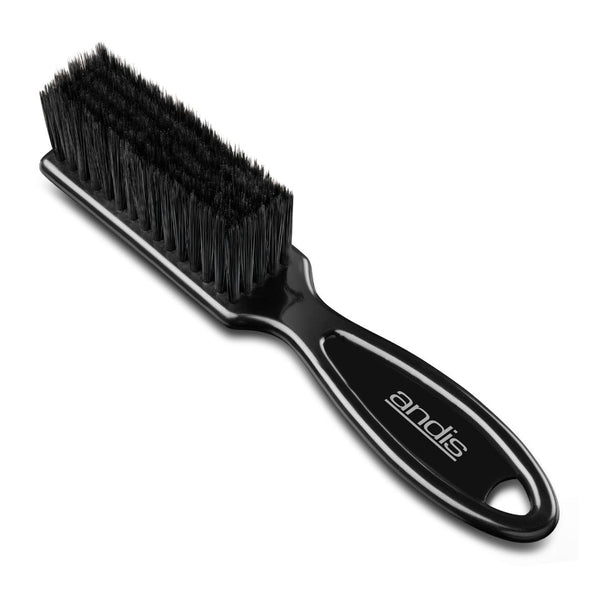
| Blade brush | Removes hair, dirt, and coat debris from teeth |
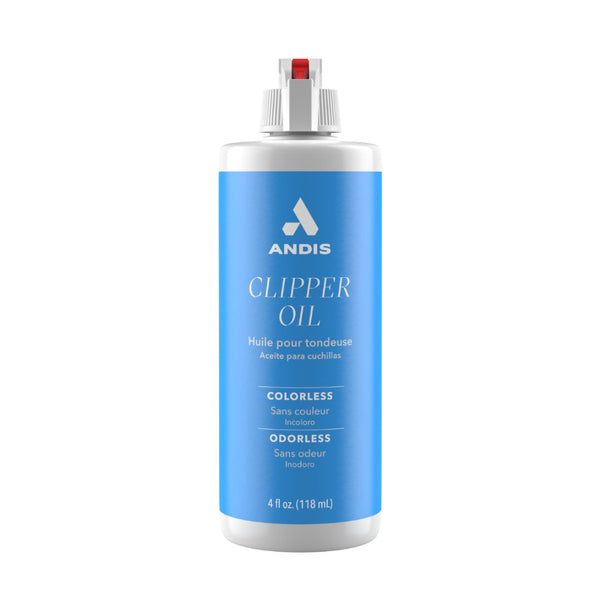
| Blade oil | Reduces friction and heat during clipping |
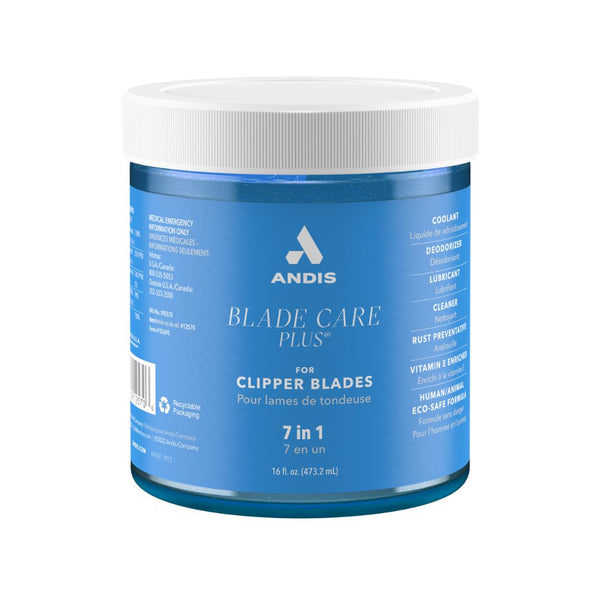
| Blade wash | Removes grease and accumulated buildup |
| Clipper disinfectant spray | Maintains hygiene between pets |
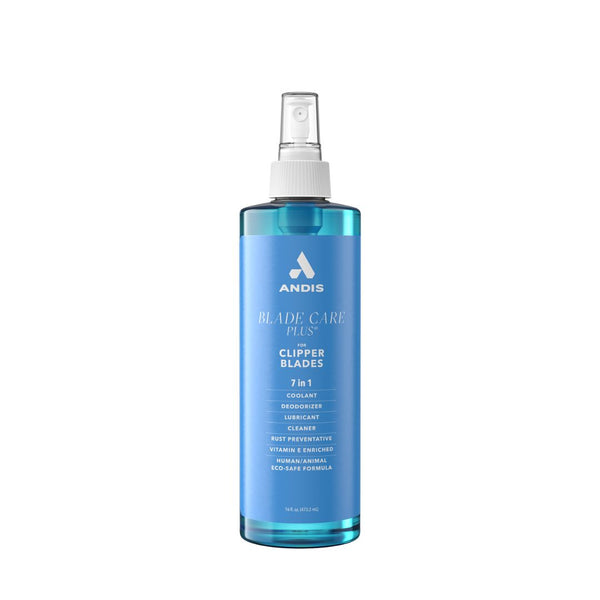
| Cooling spray | Reduces blade heat during continuous grooming |
| Soft cloth | Wipes away excess oil and cleaner |
| Small container | For safe blade wash dipping |
| Screwdriver | For blade alignment checks where needed |
| Blade storage case | Prevents rust, dust, and physical damage |
Explore ABK Grooming's full range of pet grooming tools for salons, including blades, maintenance products, and grooming accessories.
How Do You Clean Pet Clipper Blades After Grooming?
Pet clipper blade cleaning after each groom is non-negotiable. Hair and product that remain in the blade generate friction, increase heat, and dull the blade far quicker than regular use alone. A proper dog grooming blade cleaning routine should follow every single session without exception.

Alt text: Multiple professional clipper blade guards organised on a grooming salon mat, showing proper clipper blade storage and grooming blade maintenance equipment used by professional dog groomers
Step 1: How do you remove loose hair from the blade?
Turn the clipper off and unplug or disable it completely before handling the blade. If the blade is detachable, remove it. Use a blade brush to work through the teeth methodically, clearing hair from both the front and the back of the blade. The hinge area at the back is easy to overlook and one of the most common buildup points, and one of the most damaging to skip in any clipper blade maintenance routine.
Step 2: How do you use blade wash safely?
Cleaning Warning
Use only a dog grooming blade wash specifically formulated for clipper blades. Generic cleaning products and household solutions are not suitable — they can corrode blade metal or leave residue that affects cutting performance.
Pour a small amount of clipper blade cleaner into a clean container and dip only the blade teeth, not the body of the clipper. Some dog grooming blade wash products allow a brief run of the clipper during dipping to help the solution work through the teeth. Always follow the specific product instructions. Wipe the blade dry with a clean cloth after cleaning. Brands like Andis provide manufacturer-backed blade wash and clipper blade maintenance guidance worth referencing for their specific models.
Step 3: How do you disinfect clipper blades?
In a salon environment, disinfecting between every dog is essential. Not just for blade longevity, but for basic hygiene and animal welfare. Use a pet-safe clipper disinfectant spray and allow it to dry according to the label instructions. Do not skip the next step: disinfectant sprays dry out the blade surface, and oiling after disinfecting is mandatory, not optional. This is a critical part of any grooming blade maintenance workflow.
Step 4: How do you dry the blades properly?
Proper drying is one of the most overlooked steps in clipper blade care. Wipe the blade thoroughly with a clean, dry cloth and allow it to air dry fully before storage. This step is especially important for learning how to stop clipper blades from rusting in India's climate. A blade that goes into storage even slightly damp, particularly during monsoon season, will begin rusting far sooner than expected. Never store wet blades, and never leave them in open trays near the bathing station.
How Do You Oil Pet Clipper Blades Correctly?
Knowing how to oil clipper blades correctly is the single most impactful part of dog grooming blade care. It reduces friction, prevents heat, extends the cutting edge, and protects the blade surface from corrosion. And yet it's one of the most inconsistently done steps in both home and salon grooming.

Where Should You Apply Blade Oil?
When learning how to oil clipper blades, apply small drops of dog clipper blade oil at the following points:
- Both outer corners of the blade
- Along the line of blade teeth
- Where the moving blade and the stationary blade meet
- Along the blade rail, if the manufacturer recommends it
How Much Oil Should You Use?
Two to three small drops of dog clipper blade oil are sufficient. Apply, run the clipper briefly for a few seconds to distribute the oil evenly across the blade surface, then wipe away any visible excess with a cloth. Excess oil left on the blade attracts hair, dust, and grime, which defeats the purpose entirely.
How Often Should You Oil Clipper Blades?
How often should you oil clipper blades? More often than most people think.
- Before each grooming session: Always start with a fresh application of dog clipper blade oil
- Every 10–15 minutes during continuous grooming: Friction and heat build up quickly during active use
- After cleaning and disinfecting: Disinfectant sprays strip the blade surface of lubrication
- Before storing blades: A light coat of the best oil for dog grooming clipper blades protects against rust during storage
Too little oil causes friction and overheating. Excess oil left on the blade attracts hair, dust, and grime, which defeats the purpose of clipper blade maintenance entirely. The right amount, applied consistently, is the core of good clipper blade care.
What Is the Correct Daily Maintenance Routine for Grooming Blades?
A structured dog grooming blade cleaning routine removes guesswork and makes clipper blade maintenance automatic, which is exactly how it should be treated in a professional setting.
| Timing | What to Do |
| Before grooming | Brush blade, check teeth, apply dog clipper blade oil |
| During grooming | Remove hair buildup and oil every 10–15 minutes |
| Between dogs | Clean with clipper blade cleaner, disinfect, and oil |
| End of day | Deep clean, dry fully, oil lightly, and store |
| Weekly | Inspect for alignment issues, rust, dullness, and loose screws |
| Monthly | Assess sharpening need and remove any damaged blades from service |
How Do You Maintain Clipper Blades in Indian Weather?
India's climate introduces clipper blade maintenance challenges that groomers in cooler, drier climates simply don't face. Humidity is the primary threat, and how to stop clipper blades from rusting in Indian conditions is one of the most practical questions in local grooming blade maintenance. Even a blade that's been cleaned properly can begin rusting within days if stored in a damp environment or near a bathing station.

Practical guidance for Indian salons and home groomers:
- Store blades in a sealed case, not an open tray
- Never store blades near the bathing area, wet towels, or shampoo
- Ensure blades are fully dry and not just surface-dry before storage
- In high-humidity regions or during monsoon months, increase pet clipper blade cleaning and drying frequency
- Dusty salon environments require more frequent hair removal and brushing during sessions
Expert tip:
In Indian salons, blade rust often begins not because of poor-quality blades, but because blades are stored slightly damp or kept too close to the bathing station. The fix is simple: dry completely, apply dog clipper blade oil lightly, store in a sealed case.
Why Do Pet Clipper Blades Heat Up?
Blade heat is one of the most common problems in clipper blade maintenance for groomers, and one of the most preventable. Understanding why it happens makes it easier to address before it becomes a burn risk.
Common causes of blade overheating:
- Insufficient or absent dog clipper blade oil
- Hair buildup inside the blade teeth
- A dull blade being forced through the coat
- Dirty, greasy, or matted coat being clipped
- Wrong blade size for the coat type
- Continuous use without cooling breaks
- Additional strain on the clipper motor
How Can Groomers Reduce Blade Heat?
- Oil the blade every 10–15 minutes during active use.
- Use a dog clipper blade oil and cooling spray carefully. Cooling spray lowers surface temperature quickly, but does not replace oiling.
- Rotate between two professional clipper blades during long grooming sessions to allow each to cool
- Clear hair buildup from the blade teeth regularly during grooming.
- Always brush and pre-bathe heavily soiled coats before clipping.
- Never force a dull blade through a mat. This strains both the blade and the clipper motor.
Why Is My Clipper Blade Pulling Hair Instead of Cutting?
A blade that pulls rather than cuts is both ineffective and uncomfortable for the dog. Before assuming a blade needs replacing, work through the most likely causes as part of your how to maintain dog grooming blades checklist.
Most common causes:
- Dull blade
- Dirty blade with hair or product buildup
- No oil or insufficient dog clipper blade oil
- Misaligned blade
- Wrong blade size for the coat
- Damaged or bent teeth
- Coat is dirty, greasy, or matted
How to fix it:
Start by cleaning the blade thoroughly with a clipper blade cleaner, oiling correctly with dog clipper blade oil, and testing on a freshly bathed, dry coat. If it still pulls, inspect the blade teeth closely for damage or misalignment. A blade that pulls after cleaning and oiling usually needs sharpening or replacement. Continuing to use a damaged blade is uncomfortable for the dog and produces uneven results.
What Common Mistakes Damage Pet Clipper Blades?

Most clipper blade maintenance failures are avoidable. These are the mistakes that shorten blade lifespan most consistently:
- Washing blades with water and storing them wet
- Using coconut oil, WD-40, or machine oil instead of proper blade oil
- Applying disinfectant spray and skipping the oil step afterward
- Clipping dirty, sandy, or heavily soiled coats without pre-bathing
- Forcing blades through mats
- Dropping blades; even a single drop can misalign the teeth
- Storing blades loosely in drawers without a case
- Over-relying on clipper cooling spray without also cleaning and oiling
- Continuing to use a blade that's visibly heating faster than normal
- Ignoring dullness until the blade is causing visible pulling or discomfort
- Not brushing hair from the blade teeth during long grooming sessions
Andis provides an excellent library of educational flyers and articles, especially for professional groomers. This is a great resource for correcting specific mistakes in your dog grooming blade care routine as well as upskilling your practice.
Can You Use WD-40, Coconut Oil, or Sewing Machine Oil on Dog Clipper Blades?
No.
This is a firm and important point worth communicating clearly to newer groomers and pet parents alike.
Only proper dog clipper blade oil or the oil specifically recommended by the clipper manufacturer should be used. Brands like Andis produce blade oils designed for their specific blade tolerances.
Using the wrong lubricants causes real problems: they can gum up blade movement, attract dust and debris, affect clipper motor performance, and in some cases may cause skin irritation on the dog. The cost of proper best oil for dog grooming clipper blades is minimal compared to the damage caused by using an inappropriate substitute.

How Often Should You Sharpen or Replace Pet Clipper Blades?
Even with perfect clipper blade maintenance, blades don't last forever. The goal of good dog grooming blade care is to extend lifespan, not to avoid replacement indefinitely.
Signs a blade needs sharpening or replacement:
- Pulls the coat even after thorough cleaning and oiling
- Cuts unevenly across the coat
- Heats up significantly faster than usual during clipper blade maintenance for groomers
- Teeth are visibly chipped or bent
- Rust is present that cannot be removed
- The blade makes an unusual noise during use
- Alignment cannot be corrected
High-volume salons doing multiple full grooms daily will need to assess sharpening frequency more regularly than low-volume home groomers. Tracking sharpening dates as part of a salon SOP makes how to make clipper blades last longer a measurable, manageable goal rather than guesswork.
For professional clipper blade care products, including blades from leading brands, ABK Grooming stocks a wide range suitable for Indian salon conditions.
How Much Does Blade Maintenance Cost Compared to Replacement?
The economics of clipper blade maintenance are straightforward; consistent care costs a fraction of repeated replacement.
| Item | Approx. Cost Range in India | Use |
| Dog clipper blade oil | ₹200–₹800 | Regular lubrication |
| Clipper blade cleaner / blade wash | ₹400–₹1,500 | Cleaning and hygiene |
| Clipper cooling spray | ₹500–₹1,500 | Heat control during grooming |
| Blade brush | ₹100–₹500 | Hair removal |
| Blade sharpening | ₹150–₹500 per blade approx. | Restores cutting edge |
| New professional clipper blade | ₹1,500–₹5,000+ | Full replacement |
Cost Note
A complete pet grooming clipper maintenance kit consisting of oil, wash, cooling spray, and brush costs less than a single mid-range blade replacement. For salons running multiple blades across a full week of appointments, that calculation becomes even more significant over time.
What Is the Best Clipper Blade Maintenance SOP for Salons?

A written standard operating procedure for clipper blade maintenance is one of the hallmarks of a professionally run grooming salon. It removes reliance on individual habit, ensures hygiene consistency, and protects both the tools and the dogs being groomed. This is clipper blade maintenance for groomers at its most organised.
Recommended salon blade maintenance SOP:
- Designate separate trays for clean and used blades. Never mix them.
- Brush the blade teeth after every dog, before the next appointment.
- Disinfect blades between every pet using a clipper-safe disinfectant spray.
- Oil after every disinfection step without exception.
- Rotate blades during long or back-to-back grooms to allow cooling.
- Inspect all blades at the end of each day for heat damage, misalignment, and wear.
- Dry blades fully and store in a labelled, sealed case overnight.
- Track sharpening dates for each blade on a simple log or sheet.
- Remove any chipped, rusted, or damaged blades from service immediately.
This kind of structured grooming blade maintenance approach also supports the professional credibility of a grooming business, which is becoming increasingly important in India's growing grooming industry. For broader guidance on building out a professional operation, ABK's blog on professional grooming salon setup in India is a useful reference.
What Expert Tips Extend Pet Clipper Blade Lifespan?
These how to make clipper blades last longer principles apply whether you're managing a busy salon or a single set of home-use clippers:
- Always brush the coat before clipping. Never clip a dirty, sandy, or heavily soiled coat.
- Avoid clipping wet coats unless the blade or clipper is specifically designed for wet use.
- Never force a blade through a mat. Detangle first, or use the correct tool for mat removal.
- Match blade size to coat type. Using the wrong blade for the coat adds unnecessary strain.
- Keep a backup set of professional clipper blades so one set can rest while the other is in use.
- Rotate blades throughout busy salon days rather than running one blade for hours continuously.
- Always clean before oiling. Applying dog clipper blade oil to a dirty blade traps debris underneath.
- Oil after every disinfection step to restore the surface lubrication stripped by the spray.
- Store blades away from humidity, moisture, and direct temperature exposure.
- Sharpen before a blade reaches the point of pulling. Waiting too long accelerates edge damage.
Conclusion: What Is the Best Way to Maintain Pet Clipper Blades?
Clipper blade maintenance is not complicated. However, it does require consistency. A blade that is brushed clean, disinfected, oiled correctly, dried fully, and stored properly will cut better, heat less, last significantly longer, and cause far less discomfort to the dogs being groomed.
For professional groomers, blade maintenance should be a daily SOP built into the workflow around every appointment, not something that happens occasionally or only when a blade starts causing problems.For home groomers, a simple pre-session and post-session dog grooming blade cleaning routine takes less than five minutes and protects a meaningful investment in quality tools.
The blades are the most important contact point in grooming. Treat them accordingly, and your clipper blade maintenance routine will repay that care many times over.
Explore ABK Grooming's professional dog grooming clippers, professional pet clipper blades, blade oils, cooling sprays, and grooming maintenance products: everything you need to keep your tools salon-ready every single day.

Frequently Asked Questions
1. How often should you oil clipper blades?
Oil clipper blades before every session, every 10–15 minutes during use, after every disinfection step, and before storage: which is much more frequently than most groomers realise.
2. Can you use coconut oil or WD-40 on dog clipper blades?
No, only proper dog clipper blade oil or the manufacturer's recommended lubricant should ever be used. Substitutes gum up blades, attract debris, and can irritate the dog's skin.
3. Why do clipper blades get hot during grooming?
Blade heat is most commonly caused by insufficient oiling, hair buildup in the teeth, or a dull blade being forced through the coat. Oil every 10–15 minutes and rotate blades during long sessions to manage it.
4. How do you stop clipper blades from rusting in India?
Dry blades completely after every clean, apply a light coat of blade oil, and store in a sealed case away from moisture, never near the bathing station, especially during monsoon season.
5. How do you know when a clipper blade needs sharpening or replacing?
If a blade pulls the coat after thorough cleaning and oiling, cuts unevenly, heats up faster than usual, or has visibly chipped teeth, it needs sharpening or replacement.
6. What is the difference between blade wash, blade oil, and cooling spray?
Blade wash removes debris and buildup, blade oil lubricates to prevent friction and heat, and cooling spray lowers surface temperature during active use. All three serve different purposes and none replaces the others.
Recommended Products

Janhavi Dhuldhoya

Learn more about Janhavi Dhuldhoya
Search Articles
Categories
Related Posts


Leave a comment